BLOGS
Can Faces Still Sell?
A look at celebrity endorsements, public perception, and the risks of putting a famous face on a brand.
Endorsements or Embarrassments? You decide
They are back at it again!
A celebrity appears onscreen. A product is displayed next to them. A recognizable logo materializes on the monitors. In a matter of seconds, an advertisement has reached millions of people, some of whom may never be intended customers.
But did the advertisement truly drive sales or was it merely a diversion from the scroll?
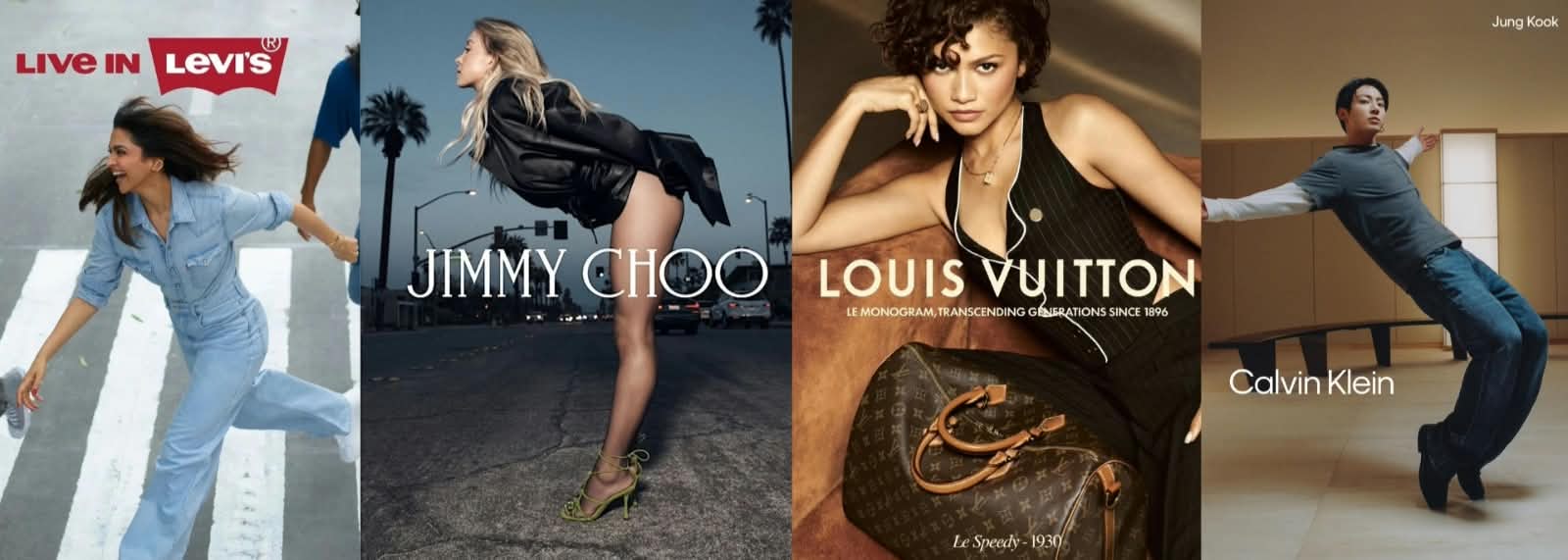
Consider the differing reactions to Sydney Sweeney's advertising campaign and KATSEYE's Gap collaboration.
Two contrasting approaches to leveraging the influence of celebrities to promote a product and values behind the brand yet both sparking very different conversations around the use of a public figure to endorse the label.
While one campaign may be heralded as a successful example of celebrity endorsement the other may find itself at the center of controversy around misrepresentation, objectification and what the advertisement says about its audience.
Both can have massive reach, drawing upon the notoriety and appeal of the individual to gain notoriety and attention for the label, but what makes one campaign effective and the other not?
Celebrity endorsements have long been a staple of advertising, but in an environment where consumers are more vocal, socially aware and willing to call out brands for their transgressions than ever before, the value of leveraging a public figure to endorse a product or service can be questioned. Perhaps more importantly, what does the chosen celebrity say about what the brand hopes to sell and communicate?
Because the difference between a successful endorsement campaign and one that backfires can often be found in the individual being put forth as the face and voice of the brand.
Oh Sydney…


Where lies the difference
There is a distinction between a woman who expresses her sexuality on her own and an advertiser that uses sexual appeal as their main strategy. Both are not necessarily wrong, but the line begins to blur when dissecting the message that the advertising conveys.
Some may argue that such campaigns are an expression of confidence and self-expression, but others may view it as a necessity to keep women subservient and obsessed with their appearance.
What it brings
A celebrity is not entering an advertisement as an empty space. As she brings in her public image, previous campaigns, cultural association, and public reception, the brand constructs its communication on this image.
In Sweeney's case the discussion around her advertisements have often strayed from the advertised product into questions of beauty ideals, sexualisation, and the representation of women.
So that the result is a campaign where the celebrity becomes a discussion piece, not only for what they are advertising.
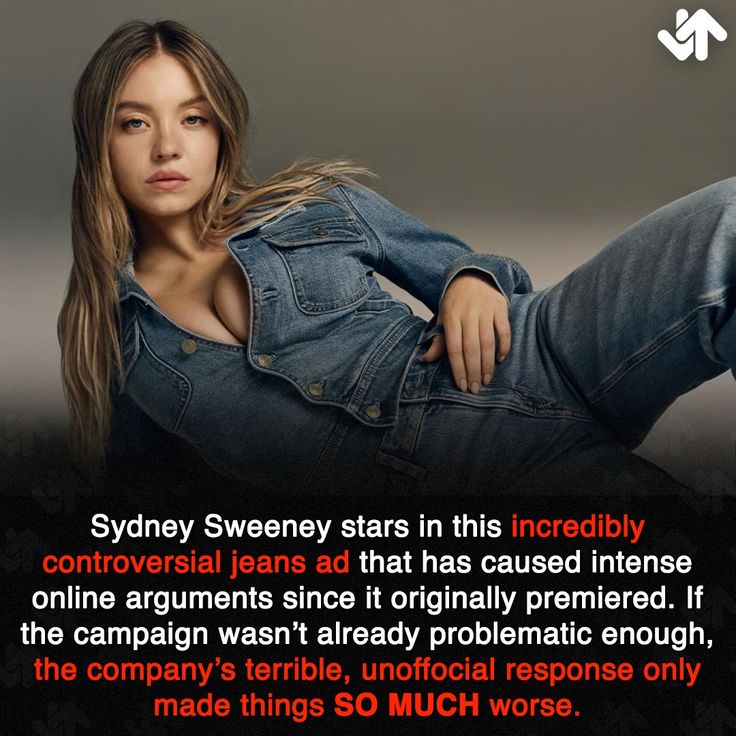
American Eagle's campaign with Sydney Sweeney had a simple premise. It was all about Sydney Sweeney Having Great Jeans . The pun on jeans and genes was short lived, as the campaign was met with negative feedback for its perceived association with eugenics and the culture of beauty.
But what else is there to talk about Sydney Sweeney's campaign? For the public, it was yet another reminder that women's bodies and beauty are often used as tools for selling products.
But in its attempt to use Sydney's beauty for promoting its clothes, the brand committed the same error as other companies do, it associated its product with the image of a woman, thus making it more sexualized than necessary.
The criticism of the campaign is part of an ongoing discussion about the objectification of women in marketing.
A celebrity endorsement is a powerful tool for a company. The consumer's associations of the celebrity will affect their perception of the brand. This is explained by the "Meaning Transfer Model". Essentially, when a celebrity is associated with a brand, the consumer will attribute the meanings they associate with the celebrity to the brand as well.
In other words, if a customer sees a celebrity they admire being endorsed by a company, they are likely to view the company in a better light. Similarly, if the celebrity has a negative image, the company might suffer from being associated with them.
Thus, if the campaign with Sydney Sweeney did damage to her reputation, the same might occur to American Eagle.
An equally important point is that the advertising campaign did not focus on the product and its qualities. It is a well known rule in marketing that no one is interested in the product, the company, or the brand. All the company can do is try to make the audience think about the product in a certain way. The campaign featuring Sydney Sweeney failed spectacularly at this point.
Finally, it is said that there is no such thing as bad publicity.
Except, perhaps, there is.
While publicity can both introduce a brand to new consumers and can create unwanted associations with the brand, the fact that people are talking about the campaign does not necessarily indicate that they have positive associations with the brand, are loyal to the brand, or will purchase the product.
The question is whether the attention garnered by the brand publicity campaign bolsters the brand in its long term positioning or if it simply offers short term notoriety.
The Celebrity Is Not a Blank Canvas: The Power of Perception
One of the most common misconceptions about celebrity endorsements is that they are a purchase of exposure. In truth, they are a way for brands to attach themselves to an existing entity. Consumers do not see celebrities purely in the context of the endorsement. They experience their words, music, stunts, appearances, social media posts, press statements, and past endorsements. As such, every appearance builds up to the image they have of a celebrity and the tone of their message.
This is the concept of perceptual positioning.
Something’s position in the minds of the consumers is not decided by what they say about themselves but by what they think about them based on what they said.
The same applies to celebrities as endorsers. If they do charity work, it can give the impression of kindness to the brand. If they are seen as a unique individual by the public, it would shape the positioning of the endorsed product or service to also appeal to individualism. Meanwhile, a celebrity who generates a negative public image would affect a brand negatively depending on the nature of their publicity.

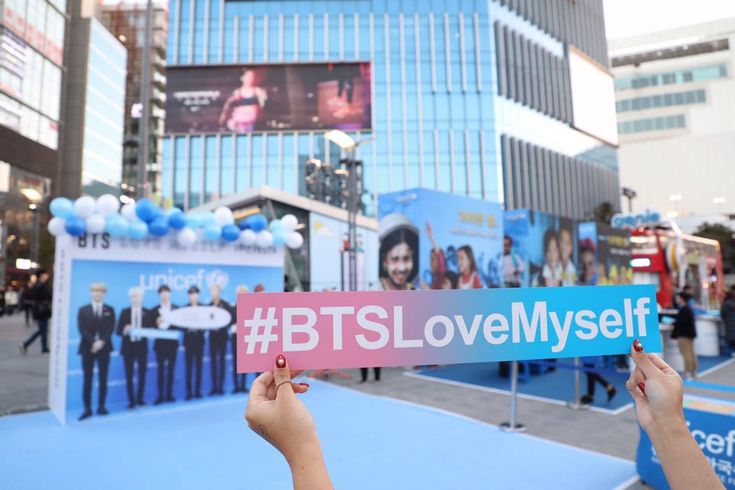
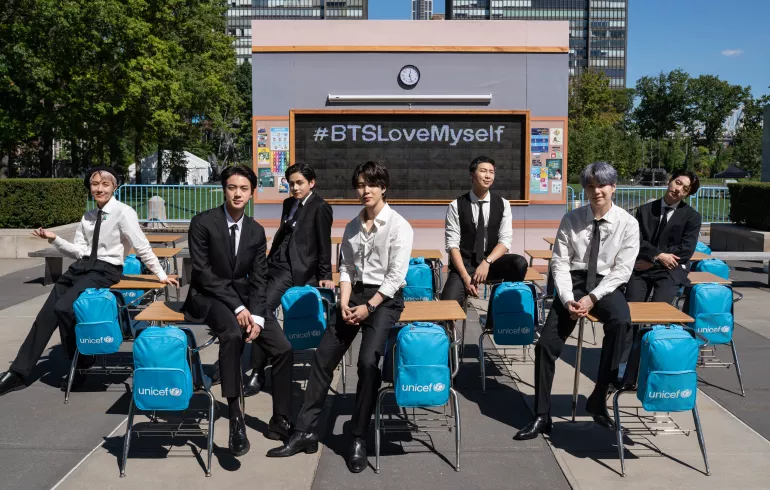
Consider the difference between BTS's partnership with UNICEF's LOVE MYSELF campaign and the celebrity endorsements of a particular fashion house's ad campaign.
In the first case, the connection between the artists and the organization's initiative provides grounds for inferring that the performers share similar values. In the second, the focus of discussion may well be on the celebrity's appearance, the designer's competence, and the pertinence of a message to contemporary events.
The relevance of either choice cannot be denied due to celebrity popularity fueling the rise of attitude transfer.
Consumers who hold positive attitudes towards a celebrity figure may transfer these sentiments onto the endorsed product, increasing its appeal. However, the same outcome cannot be expected from the audience that has developed negative views towards a publicity endorser, and this dynamic helps explain why choosing the right celebrity is a matter of extreme importance.
This consideration underscores the need for exercising caution when selecting a celebrity spokesperson, which goes beyond the mere marketing and publicity aspects. In this respect, a brand's narrative is of paramount importance: by selecting a celebrity for a campaign, an organization invests in the person's image and, by extension, takes on responsibility for the views that the public may attribute to them.
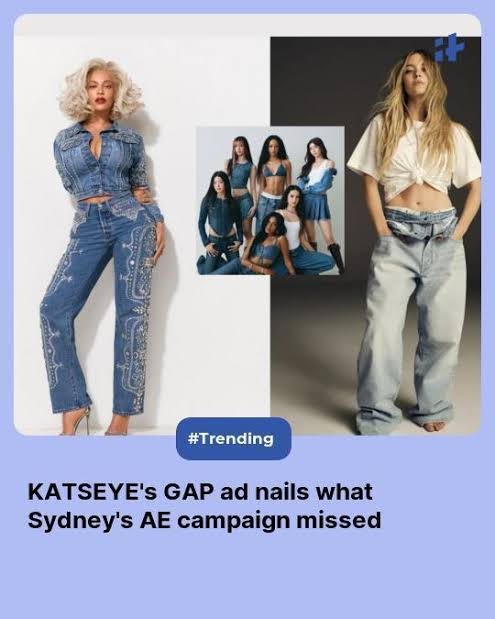
Endorsements or Embarrassments? You Decide.
Perhaps the relevance of celebrity endorsements was never really in question. What changed was a degree of scrutiny that surrounds them.
A celebrity can introduce a brand to millions of consumers, provide aspirational associations and generate conversations that traditional advertising could only dream of. But the same celebrity can be at the heart of criticism, shifting focus from a product to a message that advertisement tried to convey.
A celebrity face can provide a hook. Their identity can offer a message. Their image can build credibility. Their associations can either enrich it or muddy the waters.
But the celebrity isn't the only one responsible.
What companies forget when they sign stars to endorse their products is that there's also the matter of how to present their messages, and what values the celebrities project, and how their audience interprets the whole thing.
That's why celebrity endorsement is not a matter of finding a recognizable face to slap on a product.
Because sometimes, a celebrity sells the product.
Sometimes, they sell an idea.
And sometimes, they become the reason people question the advertisement in the first place.
So, can faces still sell? Absolutely. But whether they become endorsements or embarrassments depends on much more than the face itself.
You decide.