BLOGS
Stories That Sell: The Power of Narrative in Branding
How brands use stories to make their products memorable and build a connection with their audience.
It’s 8:36 a.m. You’re rushing to get ready for work. You pour yourself a bowl of cereal and switch on the TV for some morning news. It’s commercial break time, so you start flipping through channels. Then, one ad catches your attention. At first, you think it’s just another sports or protein-shake advertisement. But as the story unfolds, you find yourself watching. And then you hear: ‘Nike, Just Do It.’ It’s 8:47. You realise you’ve run out of excuses. You put on your Nike sneakers and rush out the door.

Now, what made you remember that ad when you probably saw several others that morning? The answer lies in storytelling. In a world where consumers are constantly bombarded with advertisements, brands are no longer competing only for attention. They are competing for meaning, memory and emotional connection. A product can tell consumers what it does. A story can tell them why it matters.
From selling products to selling meaning
Traditional advertising often focuses on features and benefits: better technology, lower prices, faster delivery or improved performance. But storytelling takes a different approach. It places the product within a larger narrative that consumers can relate to.
Nike is a classic example.
Take its Find Your Greatness campaign. Instead of focusing on technical features of its shoes or sportswear, the campaign shifted the focus towards an idea that was much bigger: greatness is not reserved for professional athletes. It can belong to anyone who is willing to try.

This distinction is important. Nike wasn't simply selling sportswear; it was attaching its product to an aspiration. And that is one of the fundamental powers of storytelling in branding: it transforms a product from something functional into something meaningful. The consumer no longer sees just a pair of shoes. They see motivation, ambition, discipline or the desire to push themselves further.
The consumer is the hero
The most effective brand stories often have one thing in common: the brand isn't necessarily the hero. The consumer is. Nike rarely needs to say, ‘Look how great Nike is.’ Instead, it asks consumers to imagine what they could achieve. This is where storytelling intersects with consumer identity. People don't always choose brands simply because of what a product does. Brands can also become expressions of who consumers are or who they want to become.
Think about the difference between saying:
‘Our shoes are designed for high performance.’
and saying:
‘You have greatness in you. Go find it.’
The first communicates a product benefit. The second creates a role for the consumer inside the story. When consumers can see themselves in a brand's narrative, the relationship moves beyond a transaction. The brand becomes part of their personal story.
Why stories stay longer than advertisements
Another reason storytelling works is that it gives information a context. Consumers are exposed to countless messages every day. A list of product features can communicate information, but a narrative gives that information meaning. When a brand connects its message with a relatable situation, emotion or conflict, it becomes easier for the audience to associate that feeling with the brand.
That is why the most memorable advertisements are often the ones where people remember the story before they remember the product details. The goal of storytelling, therefore, isn't simply to make an advertisement entertaining. It is to create an association that stays with the consumer after the advertisement ends.
When a story tells you what a brand stands for
Storytelling becomes even more powerful when brands use it to communicate their purpose and values, rather than just their products. Nike's 2018 campaign featuring former NFL quarterback Colin Kaepernick is a strong example. The campaign used the line ‘Believe in something, even if it means sacrificing everything’ and positioned Kaepernick at the centre of the brand's communication.
Regardless of how individual consumers interpreted the campaign, it demonstrated an important shift in brand storytelling: a brand can use a story to communicate what it stands for, not merely what it sells. This is also where storytelling becomes more complex. A brand story can invite consumers to agree, disagree, discuss or debate. But either way, it gives the brand a point of view and makes it more than a logo attached to a product.
The story no longer ends with the advertisement
Digital media has changed storytelling even further. Earlier, brand storytelling was largely one-directional: the brand created a campaign and the consumer watched it. Today, consumers can comment, share, remix and recreate brand content. A Reel can become a meme. A campaign can inspire user-generated content. A consumer can become part of the story themselves.
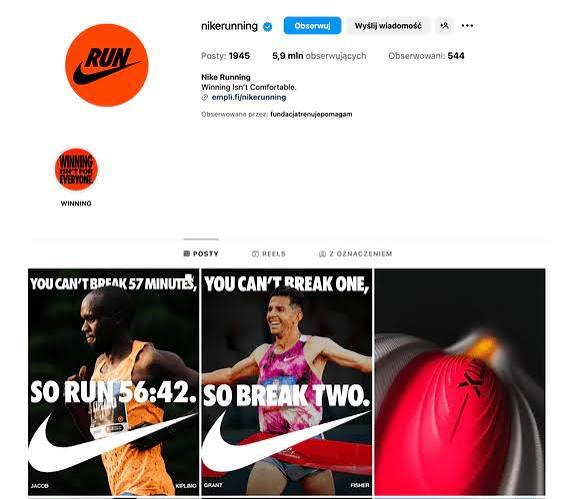
This means brands no longer have complete control over their narratives. The story starts with the brand, but its journey is often shaped by the audience. This is particularly important for younger consumers who are used to participating in, rather than simply consuming, digital content. A successful campaign can therefore become bigger than the original advertisement because consumers carry it forward themselves.
The real power of storytelling
Storytelling in marketing isn't a new idea. Humans have always remembered stories, from bedtime tales to conversations around dinner tables. What has changed is the scale and speed at which brands can tell and spread them. The real power of storytelling lies in its ability to turn attention into connection, connection into memory, and memory into meaning.
A good advertisement tells you about a product.
A great story makes you see yourself differently.
And perhaps that is why, at 8:47 a.m., you don't remember every advertisement you saw that morning. You remember the one that made you feel something and when you finally walk out the door in those Nike sneakers, the brand has become part of your story too.
References
- How storytelling is at the heart of the Nike brand
https://www.creativereview.co.uk/storytelling-nike-brand/
- Young Adults’ Views on Digital Storytelling Campaigns
- Why Storytelling in Marketing Builds Stronger Customer Connections
- What Does Storytelling in Marketing Mean?
Image Sources
- https://thebrandhopper.com/campaigns/unleashing-the-power-of-branding-a-look-at-nikes-iconic-brand-campaigns/
- https://proffus.com/the-power-of-storytelling-in-branding/
- https://brand24.com/blog/nike-social-media-strategy/