BLOGS
The Marketing Power of Nostalgia: Why the Past Still Sells
Why familiar characters, jingles, and memories keep finding their way into modern marketing.
People do not just buy products. They buy feelings. And one of the strongest feelings a brand can offer is the warm memory of the past.
That feeling has a name. Nostalgia.
Why Nostalgia Works
Think about the last time you heard an old song from your school days. Maybe it made you smile or took you back to a summer afternoon at your grandmother's house. That small moment of comfort is exactly what nostalgia marketing tries to create.
When life feels fast and uncertain, people look back to simpler times. The past feels safe. We tend to remember the good parts and forget the hard ones. So when a brand connects itself to those happy memories, it borrows some of that warmth and trust.
This works especially well in India. We are a country that loves its stories, its families, and its traditions. Many of us grew up with the same TV shows, the same jingles, and the same snacks. That shared history is a goldmine for any brand that knows how to use it with care.
Indian Brands That Got It Right
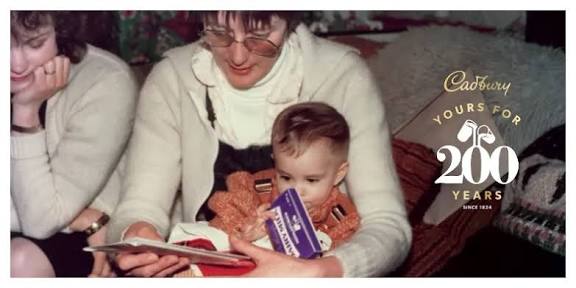
Cadbury Dairy Milk. In 1994, Cadbury released an ad where a young woman runs onto a cricket ground and dances with joy after her boyfriend hits the winning shot. The tagline was "Kuch Khaas Hai." It became one of the most loved ads in Indian history. In 2021, Cadbury remade the same ad, but this time a woman was the cricketer and a man ran onto the field to celebrate. It was clever because it made people remember the original, and it also showed how times have changed. Older viewers felt nostalgic, and younger viewers loved the fresh twist. That is nostalgia done well.
Amul. The Amul girl has been around since 1966. Generations of Indians have grown up seeing her on hoardings, making witty comments on current events. She has barely changed, and that is the point. Every time people see her, they feel a sense of familiarity. Amul does not need to reinvent itself because it has become part of our childhood memories.
Bajaj. Anyone who grew up in the late 1980s or 1990s remembers "Hamara Bajaj." The ad showed ordinary Indian families, weddings, and daily life, all tied together with a scooter. It did not just sell a vehicle. It sold pride in being Indian. Even today, people hum that tune when they talk about the good old days.
Nirma. "Washing powder Nirma, Nirma." Try reading that line without the tune playing in your head. The jingle and the little girl in the white frock are so famous that the brand still enjoys recognition from it decades later. That is the power of a memory that sticks.
Campa Cola. This is a great recent example. Campa Cola was a popular Indian soft drink in the 1970s and 1980s before it faded away. In 2023, Reliance brought it back. The relaunch leaned heavily on memory. For many older Indians, seeing Campa on shelves again felt like meeting an old friend. For younger buyers, it felt like a piece of history they could taste.
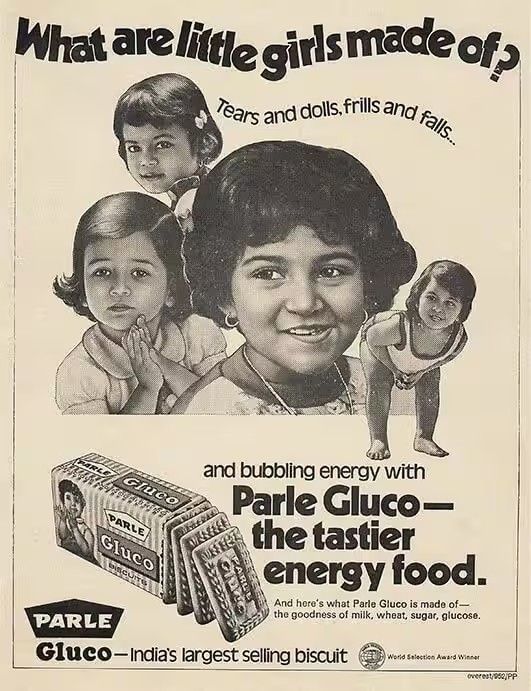
Parle-G. Parle-G has barely changed its packaging in decades. The little girl on the wrapper is something every Indian recognises. The biscuit is linked to school tiffins, chai breaks, and train journeys. The brand does not need to shout. It simply reminds us of who we were.
What Makes Nostalgia Marketing Work
Not every brand that tries nostalgia succeeds. A few simple things separate the winners from the rest.
First, the memory has to be real. You cannot fake a shared past. If a brand has no real history, it should not pretend it does. Instead, it can connect to a common cultural memory, like playing cricket in the gully, watching Doordarshan on Sunday mornings, or waiting for the summer holidays.
Second, do not just copy the past. Add something new. The Cadbury remake worked because it respected the old ad but spoke to today's values. Pure copying feels lazy. A fresh twist feels thoughtful.
Third, know the audience. Nostalgia hits differently for different age groups. A 45 year old might tear up at the Hamara Bajaj tune, while a 22 year old may feel more connected to early 2000s cartoons or old Nokia phones. The right memory has to reach the right people.
Fourth, keep it honest and emotional. Nostalgia is about feelings, not features. Nobody gets emotional about a product specification. They get emotional about their mother's kitchen, their first bicycle, or the smell of rain on the way back from school. The best campaigns are built around those moments.
A Word of Caution
Nostalgia is powerful, but it is not a magic trick. If a product is poor, no amount of old memories will save it. People may try it once for the feeling, but they will not come back if the quality is missing. Campa Cola, for example, still has to compete on taste and price with big global brands. Memory opens the door. The product has to keep it open.
Brands also should not live only in the past. A brand that only talks about yesterday can start to feel old. The smartest brands use nostalgia as a bridge between where they came from and where they are going.
Final Thoughts
Nostalgia is one of the most human tools in marketing. It reminds people of who they were, and it makes them feel understood. Indian brands like Cadbury, Amul, Bajaj, and Parle-G have shown how a simple memory can build loyalty that lasts for generations.
So the next time a brand plans a campaign, it should ask one simple question: what memory can we bring back to life? Answered honestly, that question can open a way into the customer's heart that no discount or offer can ever match.
Sources
1. Nostalgic Consumers: A Study of the Impact of Nostalgia Marketing on the Consumers (Artha Journal, Christ University): https://journals.christuniversity.in/index.php/artha/article/view/3316 This paper studies how nostalgia affects buying behaviour, repurchase, loyalty and trust, using Rasna and Tang as Indian examples. Christuniversity
2. Nostalgia Branding and Marketing (Amity Journal of Management): https://www.amity.edu/gwalior/ajm/pdf/NOSTALGIA%20BRANDING%20AND%20MARKETING.pdf
Image Sources
1. Cadbury - https://www.google.com/url?sa=t&source=web&rct=jwww.creativeboom.com