BLOGS
Why Are Brands Talking Like Gen - Z?
From memes to comment sections: why brands are adopting Gen Z’s language, and when it falls flat.
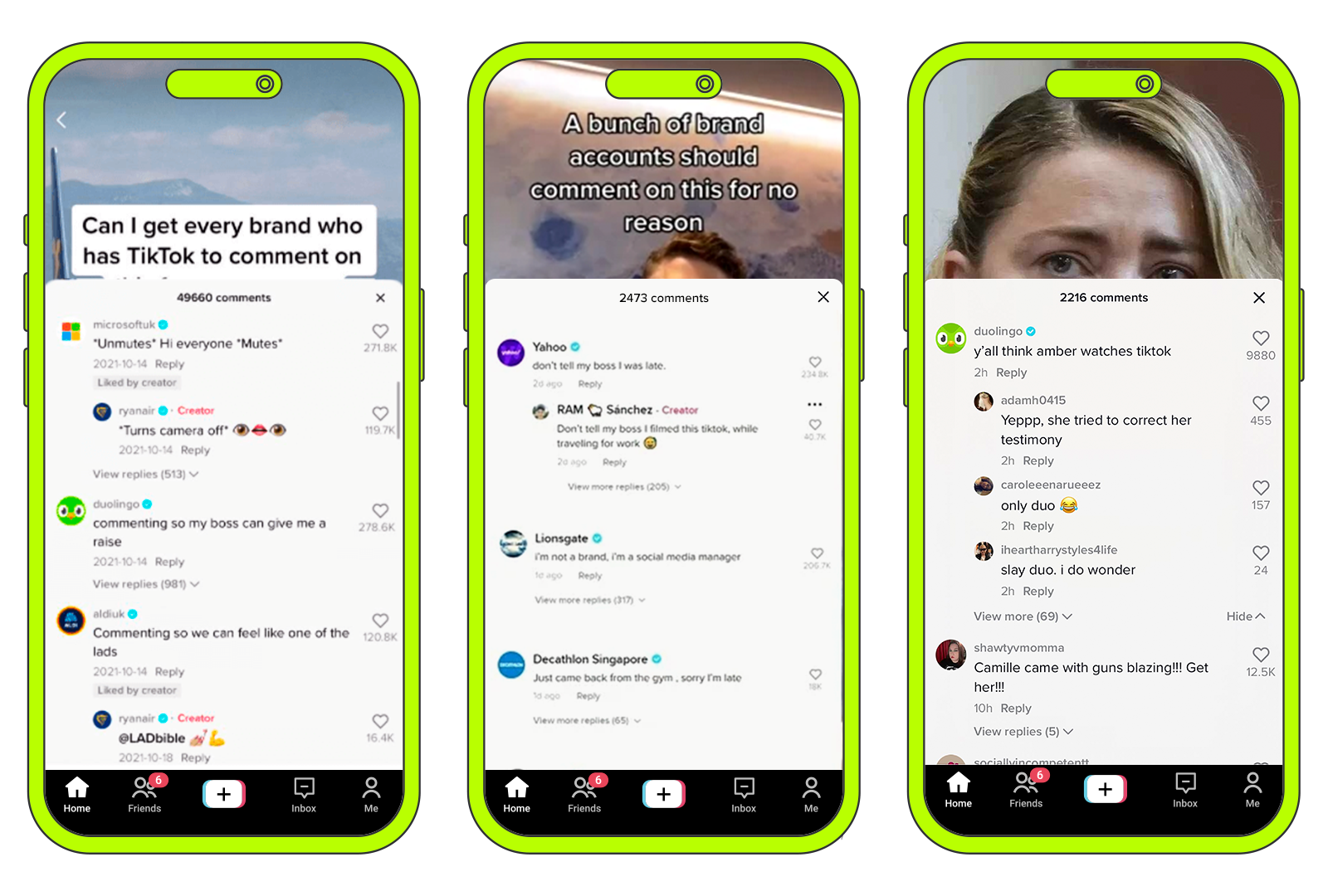
For years, brands were taught to sound polished with clear taglines, perfect visuals, formal copy and carefully written advertisements. Then social media changed the rules. Today, a brand can post “bro what’s up?” in the comments, use a meme as its campaign creative, or put an internet joke on a billboard and consumers may actually find it more relatable than a traditional advertisement. Brands such as Zomato, Swiggy, Duolingo, Blinkit, Nykaa and many others have increasingly adopted casual language, memes, humour and internet culture in their communication. This is not simply about using Gen Z slang. It is about brands trying to sound like the platforms and communities where their audiences already spend their time.
What is Gen Z-style marketing?
Gen Z-style marketing is not a fixed formula. It is a broader shift towards communication that feels more conversational, informal, visual and culturally relevant. This can include:
- Internet slang and expressions
- Memes and trending formats
- Humorous replies to comments
- Pop-culture references
- Real-time reactions to events
- Relatable situations
The language keeps changing. What matters is the ability to understand internet culture and audience behaviour.
Why is this working?
1. Brands are becoming part of the conversation
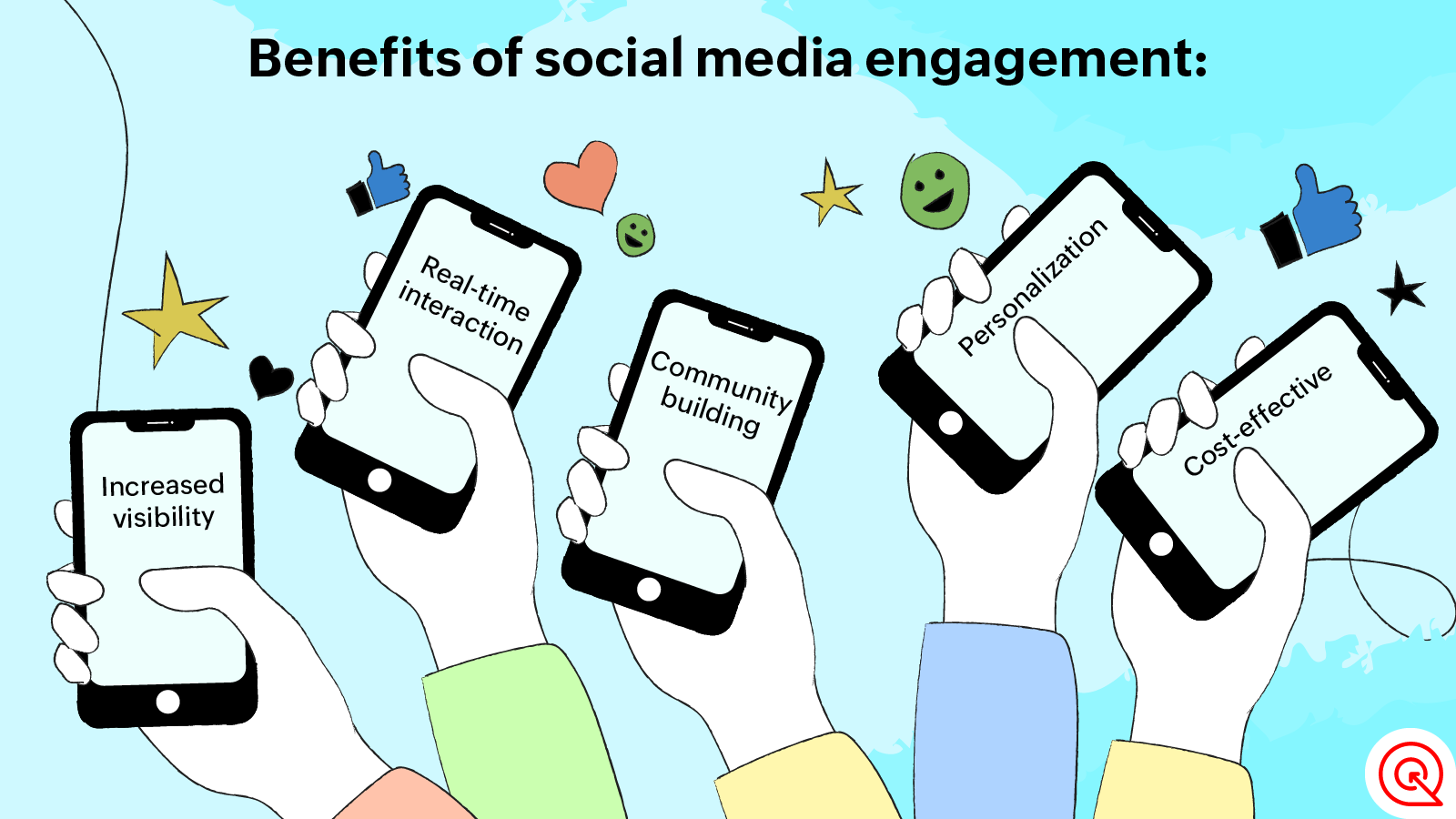
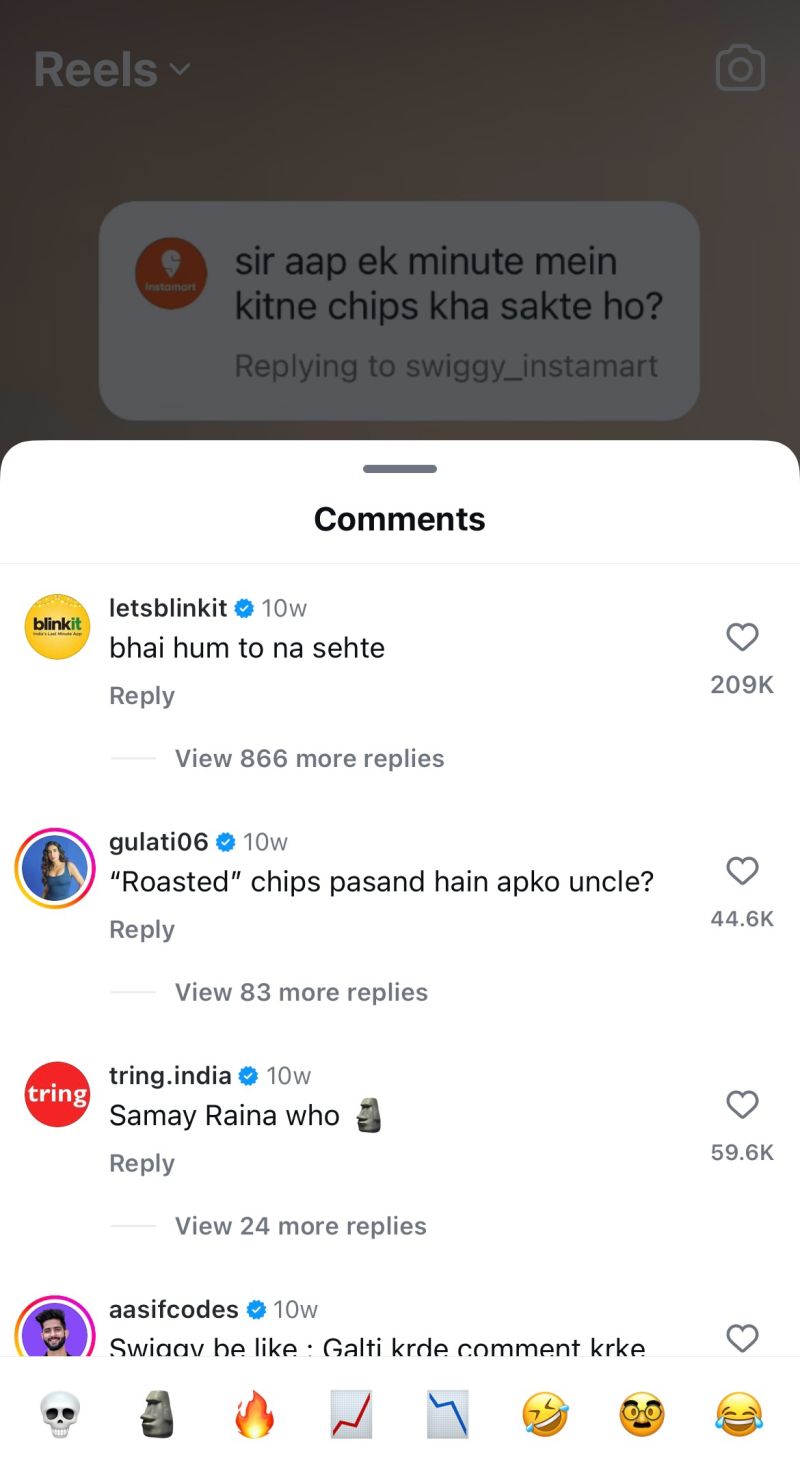
Traditional advertising is usually one-way. The brand speaks, the audience listens. But now social media has changed that relationship. People comment, reply, share, remix and make jokes about brand content. This has created a need for two-way communication. Zomato and Swiggy are good examples of brands that have built recognisable personalities on social media through humour, topical content and conversational interactions. The goal is no longer just to get a consumer to see the advertisement. It is to get them to join the conversation. That is where brand engagement becomes important.
2. Relatability can be more powerful than a sales pitch
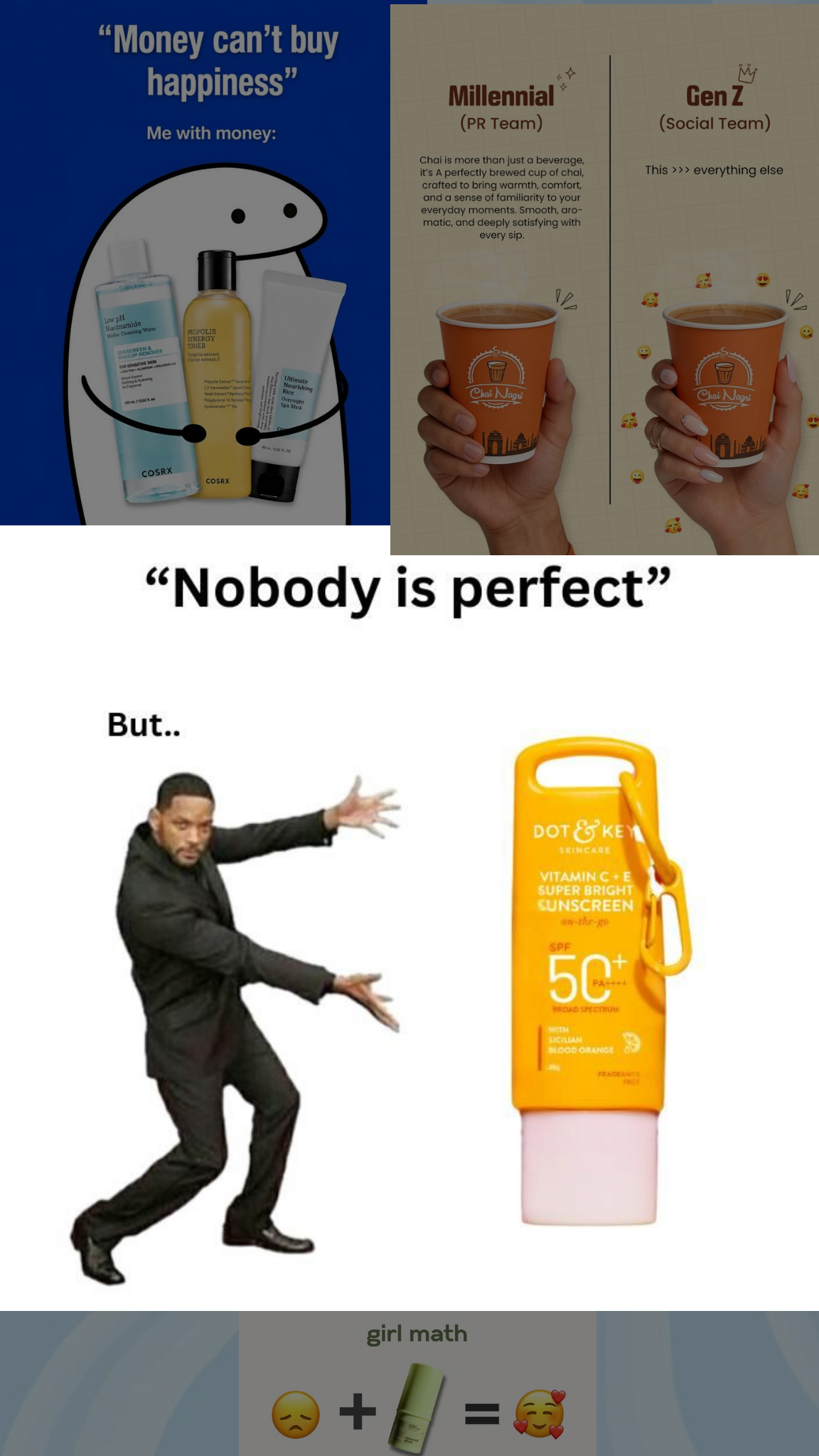
People scroll through hundreds of posts every day. A polished product image can easily look like another advertisement. But a post that makes someone think “this is literally me” creates a different reaction. This is why brands use:
- Everyday situations
- Relationship jokes
- Student life
- Workplace humour
- Food cravings
- Trending memes
- Cultural moments
The product may still be at the centre, but the context makes people stop scrolling. The marketing value of relatability is simple: people are more likely to comment on, share or tag someone in content that reflects their own experiences. That creates organic engagement without the communication feeling like a direct sales message.
3. Memes have become a marketing language
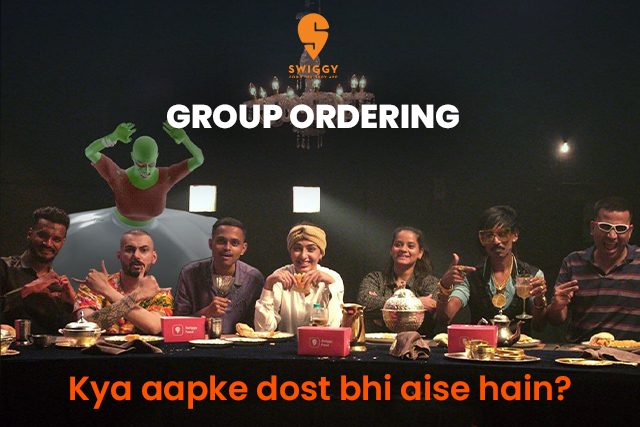
Memes are no longer just entertainment. They have become a way of communicating an idea quickly. A meme can express frustration, excitement, sarcasm or an everyday situation in a few seconds. That makes meme marketing useful for brands that want to communicate with younger audiences. Swiggy, for example, has used popular meme personalities and internet culture in campaigns such as its “Meme-verse Group Ordering” campaign, where different meme icons were brought together to explain its group-ordering feature. The campaign connected a functional product feature with something the audience already understood. The important lesson is to use a format the audience already understands to communicate something the brand wants them to remember.
4. The comment section is becoming a marketing channel
One of the biggest changes in social media marketing is that the post is no longer the complete piece of content. The comments can become content too. A witty reply from a brand can receive attention, get screenshotted and sometimes travel beyond the original post. This is why community management matters. A brand that responds to its audience can create a feeling that there is an actual personality behind the account. The communication becomes:
5. Brands are chasing cultural relevance
Gen Z communication is closely connected to what is happening right now. A movie release, cricket match, viral meme, celebrity moment or new internet trend can become part of everyday conversation almost instantly. Brands can use these moments through real-time marketing and moment marketing. But speed alone is not enough. The brand also needs to have a reason to join the conversation. The strongest topical content usually has three things:
- Relevance: the topic matters to the audience.
- Timing: the brand responds while people still care.
- Brand fit: the connection makes sense for the brand.
6. The shift is bigger than social media
This communication style is also moving into traditional advertising. Posters and outdoor advertisements are increasingly using short, conversational lines instead of long product messages. A recent example is Deconstruct's campus-focused campaign with Blinkit, which used the line: “Dear girls, woh khud sunscreen nahi lagayega.” The line sounds more like advice from a friend than a traditional skincare advertisement. It uses a familiar situation to make the product message interesting. This shows an important change in creative strategy. Gen Z-style communication is no longer just an Instagram tactic. It is becoming a creative language that can work across different media.

Takeaway
The rise of Gen Z-style marketing is not really about slang. It is about a change in the relationship between brands and consumers. Consumers are no longer just receiving advertisements. They are commenting on them, sharing them, making memes from them and sometimes talking directly to the brands. So the brands that understand this shift are not necessarily the ones that use the most slang. They are the ones that understand what their audience finds funny, relevant and worth sharing while still sounding like themselves. For marketers, the real skill is not learning the latest internet phrase. It is learning when to join the conversation, what to add to it, and how to make the brand worth talking about.
Sources
- Be Gen Z in the TikTok Comment Section to Put Your Brand In Front: https://umm.com.au/news/be-genz-in-the-comment-section-to-put-your-brand-in-front/
- GenZ Marketing Trends:
https://hcfglobal.co/gen-z-brand-communication-strategies/
- Deconstruct turns campus into OOH with Blinkit: https://www.media4growth.com/showcase/campaigns/deconstruct-turns-campus-insights-into-ooh-with-blinkit-83400
- Social Nation:
https://www.socialnationnow.com/swiggy-group-ordering-campaign-popular-memes