CASE STUDIES
How DailyObjects Conquered the Indian Market
How DailyObjects built a design-led accessories business and expanded from online sales into physical retail.
Introduction
In 2026, DailyObjects was reported to have closed FY26 with revenue of about ₹200 to 220 crore, roughly double the ₹111 crore it filed for FY25. In September 2026, reports said it was finalising a round of about ₹350 crore led by Xponentia Capital and Anicut Capital, at a valuation of around ₹1,000 crore (Exhibit 3). For a brand that began in 2012 as a reseller of other companies' phone cases, that is a long way to come.
DailyObjects did not win by being the cheapest case on Amazon. India's phone accessory market was, and still is, flooded with low-priced, unbranded products. The brand chose the opposite lane. It designed its own products, refused to join discount wars, avoided celebrity endorsements and built a following on Instagram by showing how its products fit into everyday life. Over fourteen years it moved from phone cases to laptop sleeves, bags, desk accessories, watch straps and charging products, and from a website to airports, malls and Apple reseller stores.
This case asks how a design-led brand built pricing power in a category most shoppers treat as a commodity, what that strategy cost, and whether the move to offline retail will strengthen the brand or stretch it.
Background
The Company
DailyObjects is a Gurugram-based lifestyle and tech accessories brand, run by Firki Wholesale Pvt Ltd. It began with phone cases and now sells laptop sleeves, bags, wallets, watch straps, desk organisers, stands, charging products and work and travel essentials. The brand says it has more than 5,000 products, over 1,000 craftspeople and designers behind them, and more than 2 million customers. Most of its products are designed in-house and made at its own facility in the Delhi NCR region.
The Founders
Pankaj Garg grew up in Mubarikpur in Alwar, Rajasthan, and studied commerce at Rajasthan University. He worked at Patni Computers and Amdocs, turned down a chance to move to the US, and in 2009 joined a friend on SalesDekho.com, a discount listings site in Ahmedabad. With Saurav Adlakha, now co-founder and COO, he later ran an online store for cameras and phone accessories (Note 1). Both describe themselves as early adopters of gadgets, the kind of people who buy a new device on launch day and then struggle to find a decent case for it.
The Market
In 2013, India's mobile accessories market was estimated at about ₹1,500 crore, with roughly 60% of it unorganised (Exhibit 1). Cheap manufacturing and parallel imports had filled the market with low-priced, unbranded cases sold at mobile shops and on marketplaces. Global brands such as Case-Mate had a presence, but grey-market goods, often under-invoiced, undercut everyone on price. By 2025, research firms put the market at about US$3 to 5 billion, depending on how accessories were defined (Note 2).
The Gap the Founders Saw
Garg has said that phones, earphones and laptops were easy to buy in India, but good accessories at fair prices were not. Shoppers had two choices: a cheap case that looked generic and wore out fast, or an imported case that cost a large share of the phone itself. He also noticed that accessory margins were high, at around 65% to 70%, which meant there was room for a brand to offer better quality and still make money.
The opening was not a new product. It was a phone case that could carry design and personality, sold online at a middle price, in a category where most products were faceless commodities.
The Launch
DailyObjects went live in 2012, shortly after Mumbai-based Seedfund invested in the founders' earlier venture and the business was renamed to signal products for everyday use. At first it was a curated online store, selling phone cases and laptop sleeves made by other brands. This was the early phase of Indian e-commerce, when cash on delivery was common and many shoppers still did not trust online payments.
The brand's first real hook was the designer case. Instead of plain plastic shells, DailyObjects printed artwork on hard polycarbonate cases and let customers upload their own photos to make a personal case. By January 2016 it offered more than 5,000 designs from 62 artists across 25 countries, covered over 100 phone models and was selling more than 15,000 cases a month. It also launched custom-printed cases for companies, pitching them as a branded gift that employees and clients would carry every day.
In 2014, two years in, Garg made the decision that shaped everything after it. He removed every third-party brand from the site and moved to making DailyObjects' own products in a Gurugram unit. The founder has said owning manufacturing gave the company control over quality, cost and supply. Around 70% of products were later made in-house, with some parts, such as case moulds, imported and then finished in India.
The move was risky. It meant giving up easy revenue from established brands and betting that customers would choose an unknown Indian label on design alone. It also meant the company carried inventory and factory costs that a pure reseller never had to.
How DailyObjects Competed
Design as the product. DailyObjects treated design, not price or features, as the reason to buy. Garg says every product is designed in-house and often takes 8 to 10 months from concept to launch. The brand avoids obvious Indian motifs and instead taps shared emotion. Its Postcard collection, for example, put the look of the old Indian postcard on a phone case, linking a century-old way of staying in touch with the most modern one.
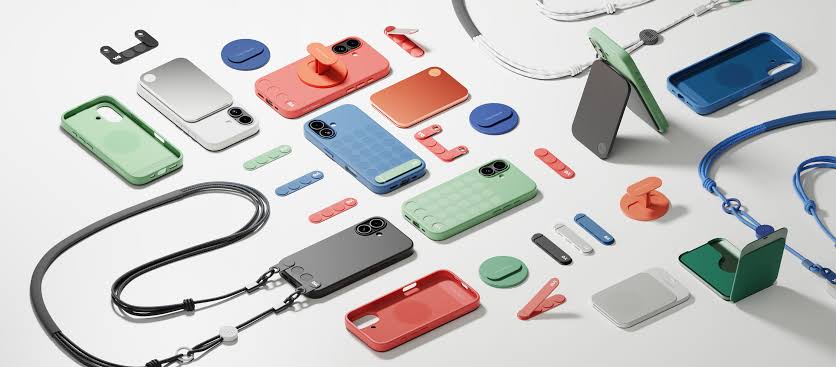
A hero product that does the talking. Its modular Stack case system turns a phone case into a set of interchangeable parts, with over 980 possible combinations. Stack won Red Dot, iF Design and European Product Design awards, and the company says it has sold to customers in nearly 50 countries. Garg says Stack cases, priced at the premium end, lifted overall category sales four times in six months (Note 3). For a marketer, the point is simple: a product people want to show off becomes its own advertising.
Premium without discounting. In a market trained to wait for sales, DailyObjects stayed out of aggressive discount cycles. Its Loop power bank is priced at a premium yet, the founder says, sells in strong volumes because buyers trust its safety and design. Garg argues this discipline gave the brand pricing power, more repeat buying and lower customer acquisition costs over time.
Product first, not endorsement first. The brand did not sign celebrities. Its early growth came from social media content that showed products in real use and explained the thinking behind them, rather than from pure performance ads. Today the mix is wider, covering performance marketing, content, influencer work, in-store visual merchandising and CRM-led retention. Returning users account for over 60% of the brand's organic traffic.
Owning the customer. DailyObjects kept most sales on its own website and app instead of relying on marketplaces. In 2020, about 65% of sales came from its website and 35% from marketplaces such as Amazon and Flipkart. By 2026, nearly 70% of sales came from owned channels, which let the brand control pricing, messaging and the post-purchase experience. Garg's view is that marketplaces teach you about the market but make you vulnerable if you depend on them.
Riding the Apple customer. In 2020, about half of the brand's customers were Apple users, and later profiles named Apple accessories as its bestselling line. That focus shaped both product and distribution, from cases and chargers built for Apple devices to shelf space in Apple premium reseller stores.
Expansion with filters. The brand moved from cases into bags, desk accessories and charging, but says each new category must pass five tests: daily-use relevance, room for design-led improvement, fit with the wider product ecosystem, repeat-use potential and scalable manufacturing. Bags now make up about 40% of the business, and charging products such as the Node and Loft ranges extend the same design language to the desk.
Growth, 2016 to 2025
For most of its first decade, DailyObjects grew slowly and stayed lean. In January 2016 it raised about ₹9 crore from Ronnie Screwvala's Unilazer Ventures, with redBus co-founder Phanindra Sama and Lenskart's Peyush Bansal joining as angels. In 2017 it launched its own app, which crossed 100,000 downloads on Google Play. Revenue reached about ₹24 crore in FY20, and the company said it was cash flow positive.
The pandemic changed the pace. During the lockdowns, sales of its home range of stationery, stands and organisers rose, and the brand launched a UV-C pocket steriliser to disinfect phones. In February 2022 it raised $2 million from Roots Ventures, said it had been profitable for four years and claimed 300% growth. By November 2022 it said it had hit a ₹100 crore annualised run rate, and set a target of ₹500 crore in revenue by FY25.
The filed numbers tell a more measured story (Exhibit 4). Revenue from operations rose from ₹63.2 crore in FY23 to ₹84.4 crore in FY24 and ₹110 to 111 crore in FY25. FY23 was close to breakeven, with a profit of about ₹6 lakh. The company then chose to spend for growth. Advertising rose from ₹14.3 crore in FY24 to ₹26 crore in FY25, employee costs climbed 54%, and the net loss widened from about ₹10 crore to about ₹16 crore. The ₹500 crore target for FY25 was missed by a wide margin.
Still, the unit economics looked healthy for a D2C brand. In 2023 the founder said customer acquisition cost was about ₹425, roughly one-fifth of the average order value, and that marketplace commissions took about 14% of revenue. Around 2022 he also said the brand had sold more than 20 million products, with repeat purchases of up to 45% (Exhibit 6).
In September 2024 DailyObjects raised about ₹86 crore (over $10 million) in a round led by 360 One, its largest cheque until then (Note 4). By then the brand had moved from a 6,000 sq ft facility in Sultanpur to a 50,000 sq ft space in Gurugram, and its next big bet was physical retail.
Going Offline and the Next Round
DailyObjects did not open a store of its own until it had spent more than a decade online. Its first offline step, in late 2020, was a tie-up with about 30 Apple retail stores in south India. Its first owned space was PLAYGROUND, a concept store at DLF CyberHub in Gurugram, built to host artist meet-ups, performances and product launches rather than simply to sell. The first permanent brand store followed in 2025 at Oberoi Sky City Mall in Mumbai.
After that the pace picked up (Exhibit 5). By March 2026 the brand had nine stores in Tier I cities, which Garg says were profitable from their first month. By mid-2026 it had 13 exclusive outlets and 15 more signed, and by September 2026 it was running 15 stores. It now plans 30 to 35 new outlets a year and a network of 150 to 160 within five years, with cities such as Hubballi, Visakhapatnam, Chennai, Pune and Guwahati on the list, since 40% to 45% of demand already comes from Tier II and III cities. Alongside its own stores, its products sit in more than 300 Apple Authorised Retail stores and at airports.
Garg describes the shift as a move from social-first to experience-first. Stores let shoppers handle a modular case or a charging dock and see the full range, which a product page cannot do. The channel mix in FY26 shows how far the brand still leans on owned digital: over half of sales from its own website, about 30% from marketplaces and 10% to 12% from corporate gifting. It has also tested a few products on Blinkit, though the founder says quick commerce is unlikely to become a core channel.
The numbers behind the push look stronger. In FY26, repeat customers made up about 52% of the base, and average order value rose 20% to about ₹2,500. Reports put FY26 revenue at about ₹200 to 220 crore, and the company has set a target of ₹400 crore for FY27, with EBITDA profitability in sight. To fund it, DailyObjects took ₹25 crore of venture debt from Trifecta Capital and, in September 2026, was reported to be finalising a ₹350 crore round led by Xponentia Capital and Anicut Capital at about ₹1,000 crore, up from roughly ₹400 crore at its last raise. The same month it made its global debut at IFA Berlin and said it was exploring West Asia and Southeast Asia.
There is a tension in the story. The brand says it stays out of discount cycles, yet in September 2026 it ran the eighth edition of its Half Price Sale across its website, app and all 15 stores. For the first time, the sale included products that had never been discounted, such as the NODE charging range and the Loft charging station. Whether a planned, branded sale protects premium positioning or slowly erodes it is a question the brand will have to answer as it scales.
Key Takeaways
Brand a commodity by making it personal. A phone case is a low-involvement purchase until it carries art, colour or a story the buyer identifies with. DailyObjects turned a commodity into a form of self-expression.
Own the product, then own the customer. Moving from reseller to maker in 2014 gave the brand control over design and margins. Keeping most sales on its own website and app gave it control over price, data and repeat buying.
Let the hero product carry the marketing. Award-winning, highly visible products such as Stack did more for the brand than celebrity faces would have. A product people show off is media the brand does not pay for.
Pricing discipline is a positioning choice. Staying out of constant discounting built pricing power, but it has to be defended every day, especially as stores and sales events grow.
Offline should follow demand, not lead it. The brand went into retail after it had a loyal online base and clear data on where demand sat. Stores now work as both a sales channel and a brand experience.
Decision Points for Discussion
Positioning. DailyObjects sells design in a category most shoppers see as a commodity. Is design a lasting advantage, or can rivals and marketplace sellers copy the look within weeks? What would make it hard to copy?
Discounting. The brand says it avoids discount cycles, yet it runs a recurring Half Price Sale that now covers its premium products. Is a planned, branded sale a smart way to bring in new buyers, or does it train customers to wait?
Marketing mix. The brand grew without celebrities, but advertising spend rose from about 17% of revenue in FY24 to about 24% in FY25. At what point does a product-first brand become a performance-marketing brand like any other?
Targets and credibility. In 2022 the company aimed for ₹500 crore by FY25 and reached about ₹111 crore. It now targets ₹400 crore for FY27. How should a founder balance bold public targets with investor and customer trust?
Channel strategy. With over 300 Apple retail partners, 15 own stores and plans for 150 or more, how should the brand split its effort between owned stores, partner retail and its website? Who should own the customer relationship in a partner store?
Range. The brand has gone from phone cases to bags, chargers and desk products, and bags now make up 35% to 40% of the business. Is DailyObjects still a tech accessories brand, a bags brand or a lifestyle brand, and does the answer matter for how it markets itself?
Notes
1. Accounts of the founders' earlier ventures differ. YourStory says Garg co-founded SalesDekho.com in 2009 and converted it into DailyObjects. Entrepreneur India says Garg and Adlakha founded Lootspot in 2010 to sell cameras and phone accessories, and renamed it after Seedfund invested in 2012. The co-founder's name is spelled both Saurav and Sourav.
2. Market size estimates vary widely by definition. The 2013 figure of about ₹1,500 crore and the 60% unorganised share are industry estimates quoted by Business Today. For 2025, IMARC puts India's mobile phone accessories market at US4.61 billion. Treat these as indicative only.
3. Claims about Stack's four-times lift in category sales, store profitability from the first month, stable return rates and sales in nearly 50 countries come from founder interviews (MediaBrief, Platform, Inc42). They have not been matched to a second source.
4. The 360 One-led round is reported at about ₹86 crore (over $10 million). Entrackr dates it to May 2024 and Inc42 Datalabs to 17 September 2024. Total funding raised is reported at $12 million to $14.5 million depending on the source.
5. Filed FY23 revenue was ₹63.2 crore, while a founder interview with Entrackr cited ₹85 crore, likely gross collections. FY25 revenue appears as ₹110 crore (Entrackr) and ₹111.2 crore (Inc42). FY26 figures are not yet filed: reports range from ₹200 to 220 crore, against an earlier company projection of ₹220 to 244 crore. Treat FY26 as provisional.
6. FY24 advertising spend is reported at ₹14.3 crore (Entrackr) and ₹18.5 crore (Inc42). Advertising as a share of revenue is the case writer's calculation using Entrackr figures.
7. Bags are described as about 40% of the business (Platform, July 2026) and bags and wallets as 35% of sales (Inc42, March 2026).
8. Store and partner counts change quickly: 9 stores (March 2026), 13 exclusive outlets (mid-2026) and 15 stores (September 2026); about 250 Apple retail partners (March 2026) and over 300 (September 2026).
Exhibits
Exhibit 1: The Indian Mobile Accessories Market
Indicator | Figure |
|---|---|
Mobile accessories market size, 2013 | about ₹1,500 crore |
Unorganised share of the market, 2013 | about 60% |
Mobile phone accessories market, 2025 (IMARC) | US$3.2 billion |
Mobile phone accessories market, 2025 (TechSci) | US7.09 billion by 2031 |
Design-led lifestyle rivals named in coverage | Chumbak, Bewakoof, Moshi |
Sources: Business Today (2013 figures, industry estimates); IMARC; TechSci Research; Inc42. See Note 2.
Exhibit 2: Timeline, 2009 to 2026
Date | Event |
|---|---|
2009 | Pankaj Garg joins SalesDekho.com, a discount listings start-up |
2010 | Garg and Saurav Adlakha start an online store for cameras and phone accessories (Note 1) |
2012 | Seedfund invests; DailyObjects launches as a curated store for cases and sleeves |
2014 | All third-party brands removed; own manufacturing begins in Gurugram |
January 2016 | About ₹9 crore raised from Unilazer Ventures, Phanindra Sama and Peyush Bansal |
2017 | iOS and Android app launched |
Late 2020 | Tie-up with about 30 Apple retail stores in south India |
February 2022 | $2 million raised from Roots Ventures |
November 2022 | Brand claims ₹100 crore run rate and sets ₹500 crore target for FY25 |
2023 | PLAYGROUND concept store opens at DLF CyberHub, Gurugram |
2024 | About ₹86 crore Series B led by 360 One |
2025 | First brand store opens at Oberoi Sky City Mall, Mumbai |
March 2026 | Nine stores open; FY26 revenue projected to roughly double |
September 2026 | IFA Berlin debut; eighth Half Price Sale across 15 stores; ₹350 crore round reported |
Sources: YourStory; Entrepreneur India; Inc42; Business Today; Indian Retailer; Exhibit.tech; Fonearena; Business News This Week.
Exhibit 3: Funding History
Date | Type | Amount | Investors |
|---|---|---|---|
2012 | Seed | Not disclosed | Seedfund |
January 2016 | Equity | about ₹9 crore (US$1.3 million) | Unilazer Ventures, Phanindra Sama, Peyush Bansal |
February 2022 | Equity | US$2 million | Roots Ventures |
2024 | Series B | about ₹86 crore (over US$10 million) | Led by 360 One |
By March 2026 | Venture debt | ₹25 crore | Trifecta Capital |
September 2026 (reported, not closed) | Primary and secondary | about ₹350 crore at about ₹1,000 crore valuation | Xponentia Capital, Anicut Capital |
Sources: Inc42; Business Today; Indian Retailer; Economic Times via Inkl; CXO Digitalpulse. See Note 4.
Exhibit 4: Financial Performance, FY20 to FY27
Year | Revenue from operations | Net profit (loss) | Advertising spend | Advertising as share of revenue |
|---|---|---|---|---|
FY20 | about ₹24 crore | Cash flow positive (reported) | Not reported | Not reported |
FY23 | ₹63.2 crore | ₹0.06 crore | Not reported | Not reported |
FY24 | ₹84.4 crore | (₹10.1 crore), or (₹3.9 crore) before a ₹6.1 crore write-off | ₹14.3 crore | about 17% |
FY25 | ₹110.3 crore | (₹15.9 crore) | ₹26 crore | about 24% |
FY26 (reported, not yet filed) | about ₹200 to 220 crore | EBITDA profit targeted | Not reported | Not reported |
FY27 (company target) | ₹400 crore | Not reported | Not reported | Not reported |
Sources: YourStory (FY20); Entrackr (FY23 to FY25); Inc42; Economic Times via Inkl (FY26). Shares of revenue are the case writer's calculation. See Notes 5 and 6.
Exhibit 5: Retail Footprint
Date | Own stores | Apple retail partners | Comment |
|---|---|---|---|
Late 2020 | None | about 30 | First offline step, south India |
2023 | 1 concept space | Not reported | PLAYGROUND, Gurugram |
2025 | First brand store | Not reported | Oberoi Sky City Mall, Mumbai |
March 2026 | 9 | about 250 | Tier I cities; said to be profitable from month one |
Mid-2026 | 13, with 15 more signed | Not reported | 30 to 35 openings planned for the year |
September 2026 | 15 | over 300 | Plus airport presence |
Five-year plan | 150 to 160 | Not reported | Tier II and III cities a focus |
Sources: YourStory; Indian Retailer; Exhibit.tech; Inc42; Fonearena; Business Today. See Note 8.
Exhibit 6: Customer and Channel Indicators
Indicator | Figure | Period |
|---|---|---|
Sales from own website vs marketplaces | about 65% vs 35% | 2020 |
Customers using Apple devices | about 50% | 2020 |
Customer acquisition cost | about ₹425, about one-fifth of average order value | FY23 |
Marketplace commissions | about 14% of revenue | FY23 |
Repeat purchase rate | up to 45% | about 2022 |
Products sold to date | over 20 million | about 2022 |
Repeat customers as share of base | about 52% | FY26 |
Average order value | about ₹2,500, up 20% | FY26 |
FY26 channel mix | Website over 50%, marketplaces about 30%, corporate gifting 10% to 12% | FY26 |
Returning users as share of organic traffic | over 60% | 2026 |
Demand from Tier II and III cities | 40% to 45% | 2026 |
Sources: YourStory; Entrackr; Entrepreneur India; Inc42; MediaBrief.
References
1. Entrackr. (2026, 23 February). D2C lifestyle brand DailyObjects posts Rs 110 Cr revenue in FY25. https://entrackr.com/fintrackr/d2c-lifestyle-brand-dailyobjects-posts-rs-110-cr-revenue-in-fy25-11146401. Supports: FY25 revenue, expenses, advertising spend, net loss, Apple reseller distribution.
2. Entrackr. (2024, 27 November). DailyObjects' revenue spikes 34% to Rs 84 Cr in FY24. https://entrackr.com/fintrackr/dailyobjects-revenue-spikes-34-to-rs-84-cr-in-fy24-7612822. Supports: FY23 and FY24 revenue, profit, advertising spend, write-off.
3. Inc42. (2026, 20 March). DailyObjects eyes doubling FY26 revenue to ₹230 Cr. https://inc42.com/buzz/dailyobjects-eyes-doubling-fy26-revenue-to-%E2%82%B9230-cr/. Supports: FY26 projection, channel mix, repeat rate, order value, stores, venture debt, competitors.
4. Inc42. (2016, 19 January). DailyObjects raises about $1.3 Mn from Unilazer Ventures. https://inc42.com/flash-feed/dailyobjects-raises-funding. Supports: 2016 round, artist collection, monthly case sales.
5. YourStory. (2020, 1 December). Rejecting a job offer in the US, this entrepreneur started a D2C brand. https://yourstory.com/smbstory/daily-objects-pankaj-garg-lifestyle-electronics-d2c-accessories-brand. Supports: founder background, 2014 shift to own products, manufacturing, FY20 revenue, channel split, Apple users, app, first Apple store tie-up.
6. MediaBrief. (2026, 11 March). How DailyObjects is building a premium brand without discounts or celebrities. https://mediabrief.com/exclusive-how-dailyobjects-is-building-a-premium-brand/. Supports: positioning, product development time, category filters, owned channels, pricing, Stack sales lift, marketing mix, returning users.
7. Platform. (2026, 30 July). DailyObjects co-founder and CEO, Pankaj Garg. https://www.platform-mag.com/design/dailyobjects.html. Supports: Postcard collection, Stack awards and combinations, bags share, facility size, charging range.
8. Entrepreneur India. Accessorizing everyday. https://india.entrepreneur.com/entrepreneurs/accessorizing-everyday/428430. Supports: earlier venture, Seedfund and renaming, products sold, repeat rate (confirm date).
9. Entrackr. Founder interview on FY23 performance. https://entrackr.com/?p=172039. Supports: customer acquisition cost, marketplace commissions, claimed FY23 revenue (read from a search snippet; confirm date).
10. Business Today. (2013, 2 December). Growing smartphone sales boosting demand for accessories. https://www.businesstoday.in/technology/news/story/growing-smartphone-sales-boosting-demand-for-accessories-42878-2013-12-02. Supports: 2013 market size and unorganised share.
11. Business Today. (2022, 11 February). Lifestyle accessories brand DailyObjects raises $2 mn from Roots Ventures. https://www.businesstoday.in/amp/entrepreneurship/news/story/lifestyle-accessories-brand-dailyobjects-raises-2-mn-from-roots-ventures-322303-2022-02-11. Supports: 2022 round, profitability claim.
12. Business Today. (2022, 30 November). D2C brand DailyObjects targets Rs 500 cr revenue via Apple partner stores, offline expansion. https://www.businesstoday.in/amp/entrepreneurship/news/story/d2c-brand-dailyobjects-targets-rs-500-cr-revenue-via-apple-partner-stores-offline-expansion-354707-2022-11-30. Supports: ₹100 crore run rate, ₹500 crore FY25 target.
13. Indian Retailer. (2024, September). DailyObjects raises over Rs 86 Cr in latest funding round led by 360 One Ventures. https://www.indianretailer.com/news/funding-alert-dailyobjects-raises-over-rs-86-cr-latest-funding-round-led-360-one-ventures. Supports: Series B amount and lead investor.
14. Economic Times, via Inkl. (2026, May). Lifestyle accessories brand DailyObjects in talks to close Rs 300 crore funding. https://www.inkl.com/news/lifestyle-accessories-brand-dailyobjects-in-talks-to-close-rs-300-crore-funding. Supports: FY26 revenue estimate, valuation, international plans.
15. CXO Digitalpulse. (2026, September). DailyObjects in talks to raise ₹350 crore from Xponentia Capital, Anicut Capital. https://www.cxodigitalpulse.com/dailyobjects-in-talks-to-raise-%E2%82%B9350-crore-from-xponentia-capital-anicut-capital/. Supports: proposed round, investor list (site blocks automated access; read from a search snippet).
16. Indian Retailer. (2026, July). DailyObjects strengthens omnichannel strategy, eyes Rs 400 Cr FY27 revenue. https://www.indianretailer.com/news/dailyobjects-strengthens-omnichannel-strategy-eyes-rs-400-cr-fy27-revenue. Supports: store count and expansion plan.
17. Indian Retailer. (2023). DailyObjects' debut offline store, 'Playground'. https://www.indianretailer.com/news/retail-india-news-dailyobjects-debut-offline-store-playground-elevates-retail-standards. Supports: PLAYGROUND concept store (confirm date).
18. Exhibit.tech. (2025). DailyObjects launches first brand store in Mumbai. https://www.exhibit.tech/tech-launches/dailyobjects-launches-first-brand-store-in-mumbai/. Supports: Mumbai store, omnichannel shift.
19. Fonearena. (2026, September). DailyObjects makes global debut with NODE, new Stack lineup and more at IFA 2026. https://www.fonearena.com/blog/491633/dailyobjects-node-stack-lineup-ifa-2026.html. Supports: IFA debut, outlet and Apple partner counts, design awards.
20. Business Today. (2026, 3 September). DailyObjects Half Price Sale 2026. https://www.businesstoday.in/technology/news/story/dailyobjects-half-price-sale-2026-node-loft-charging-station-and-more-now-discounted-553213-2026-09-03. Supports: eighth Half Price Sale, 15 stores, newly discounted products.
21. IMARC Group. India mobile phone accessories market. https://www.imarcgroup.com/india-mobile-phone-accessories-market. Supports: 2025 market size.
22. TechSci Research. India mobile phone accessories market. https://www.techsciresearch.com/report/india-mobile-phone-accessories-market/21359.html. Supports: 2025 market size and 2031 forecast (read from a syndicated release; check the original).